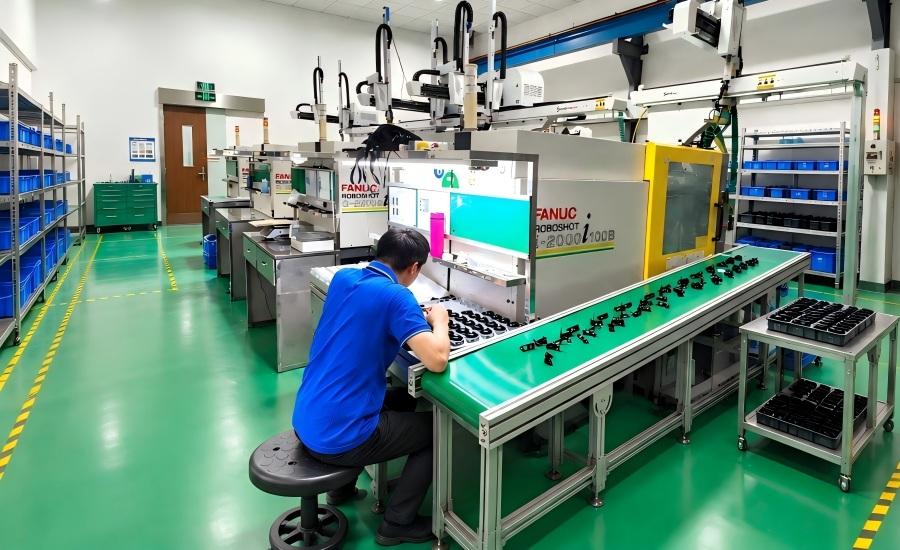
China Injection Mold Manufacturer
Custom Molds, Molding & CNC Parts
KTM designs and builds custom injection molds in Dongguan, then validates parts through trials and dimensional inspection. Export tooling or source molded parts with gate, cooling and tolerance risks reviewed before steel is cut.
ISO 9001:2015
Request an NDA before sharing confidential drawings.
20+
Years of Mold Engineering
& Manufacturing
40+
In-House Injection Presses
90–400T
2006
Dongguan Factory
Established
T0/T1
Trial Samples &
Dimensional Reports
OUR CORE SERVICES
Manufacturing Services from Prototype to Production
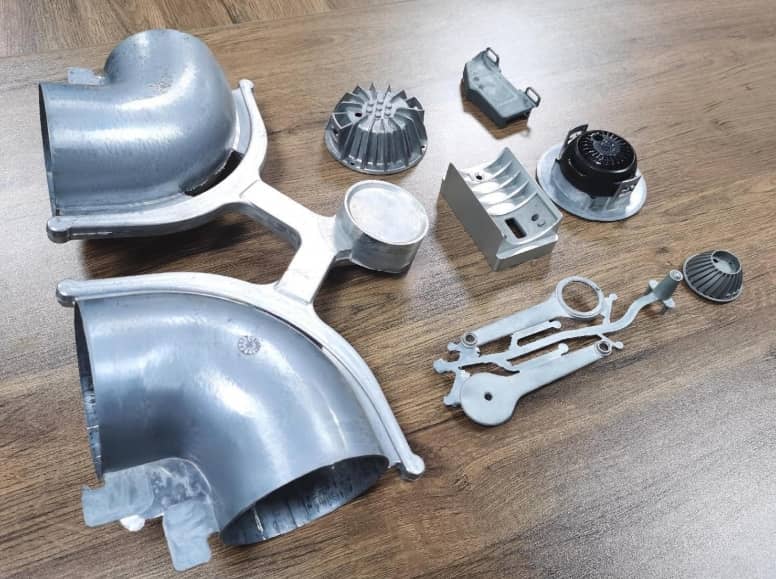
Choose the route that fits your drawing, resin, quantities and acceptance criteria. KTM combines in-house mold making, injection molding and CNC machining with prototyping support. For large presses or die casting production, we coordinate partner capacity and define responsibilities in the quotation.
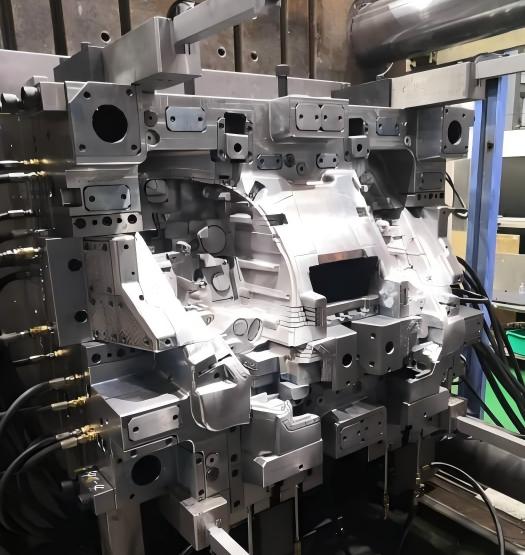
Injection Mold Making for Your Production Requirements
KTM builds each custom injection mold around your part geometry, resin, target volume and receiving press. We review draft, undercuts, gates, cooling and ejection before machining. Steel selection and critical tolerances are agreed from your drawing; a single tolerance or shot-life figure does not describe every tool. Export molds include an agreed trial, inspection and handover package.
- ✓Mold types: hot/cold runner, overmolding, insert, 2K, gas-assisted and unscrewing.
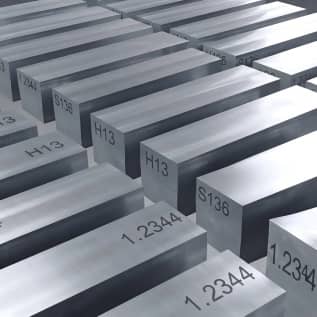
- ✓Steel options: P20, 718H, H13, S136, NAK80, 1.2344 and 8407, selected for the application.
- ✓Agree mold life, runner brand, HASCO/DME/LKM requirements and T0/T1 inspection scope before manufacture. FAI/ISIR and Moldflow are specified when required.

Engineer-Led Mold Manufacturing in Dongguan Since 2006
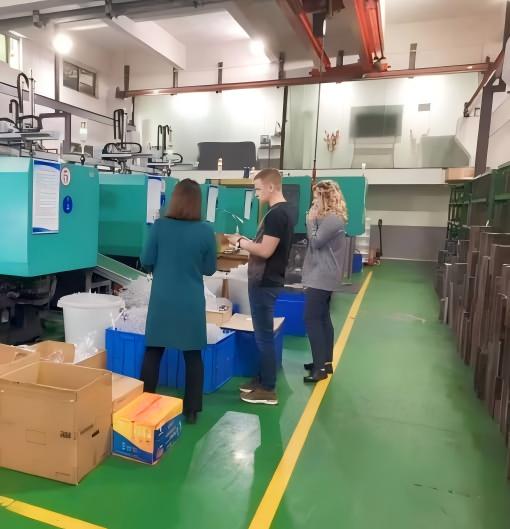
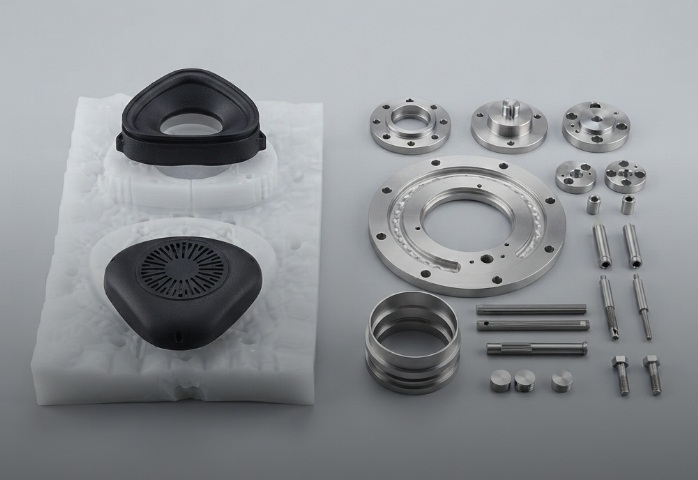
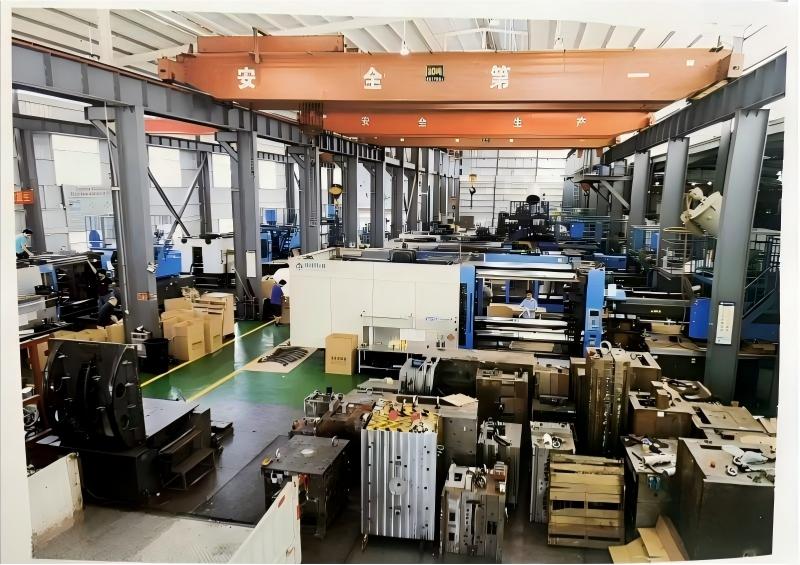
KTM began as a toolroom in 2006 and now operates a 3,000+ m² Dongguan facility with approximately 80 people. Ramon, a mold engineer who later became an owner, leads technical reviews with the team. In-house tooling, CNC machining and injection molding give your project a defined engineering contact, trial records and an approval path before shipment.
Learn More About KTM →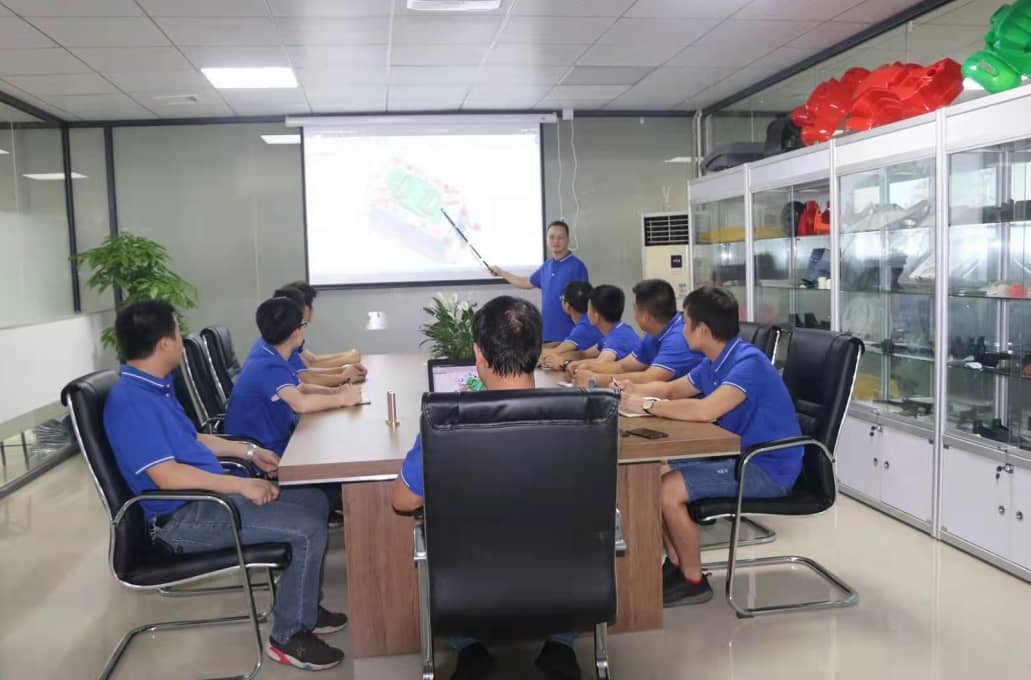
WHY CHOOSE KTM
How KTM Controls Tooling and Production Risk
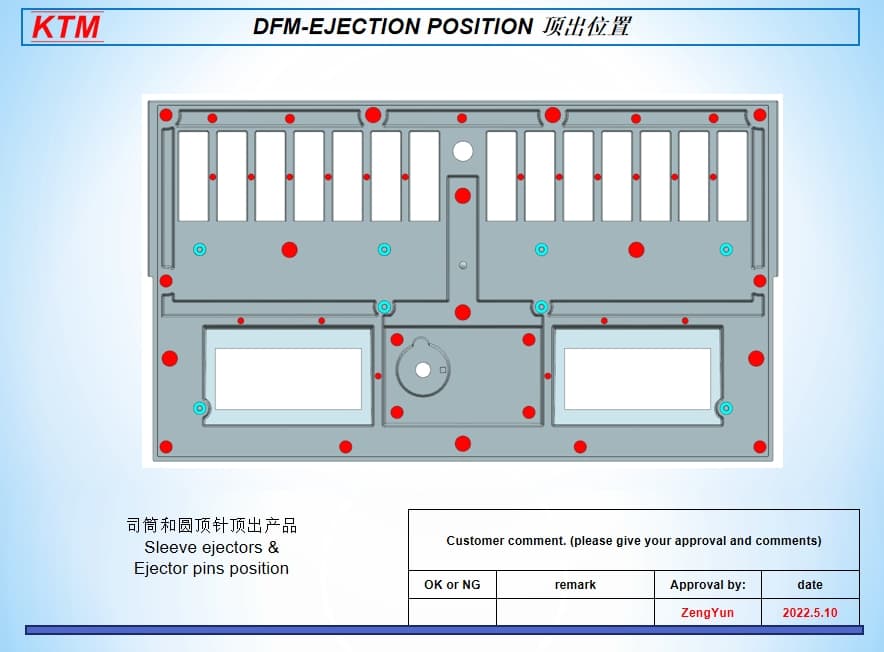
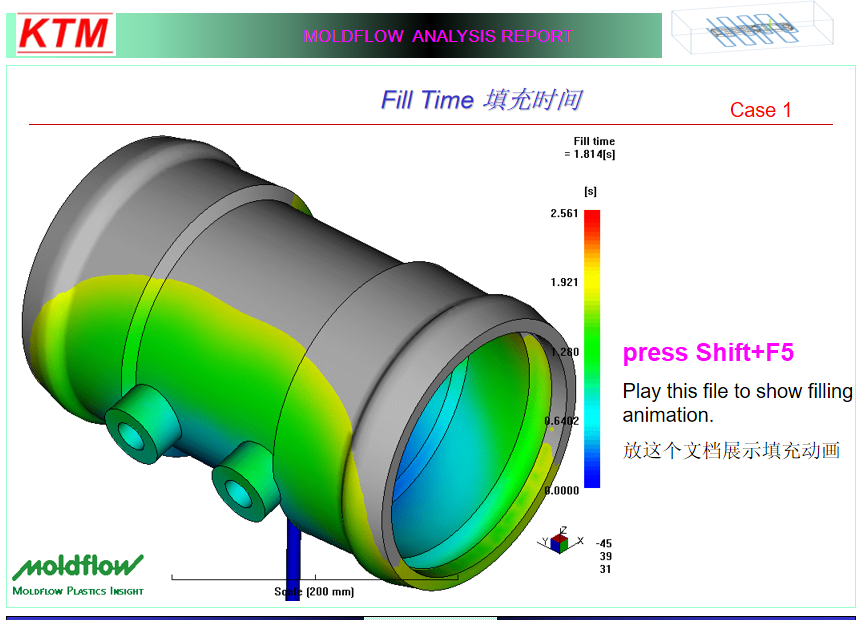
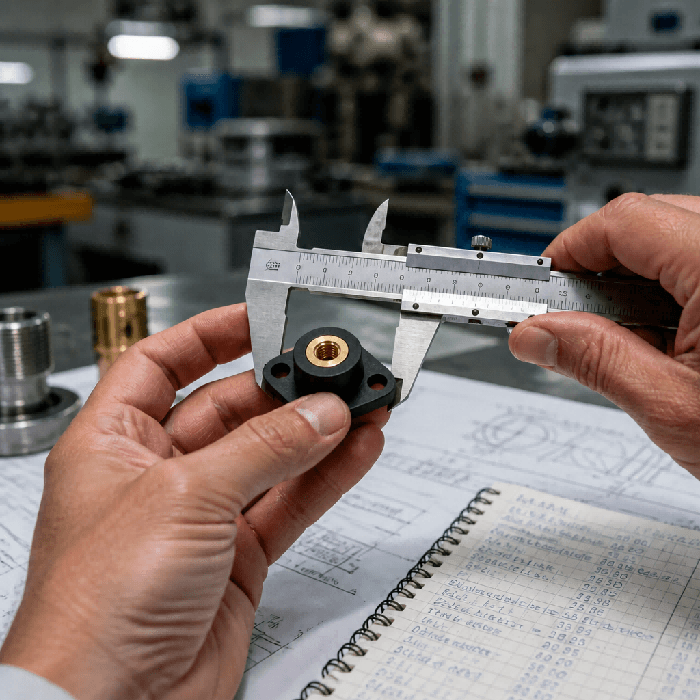
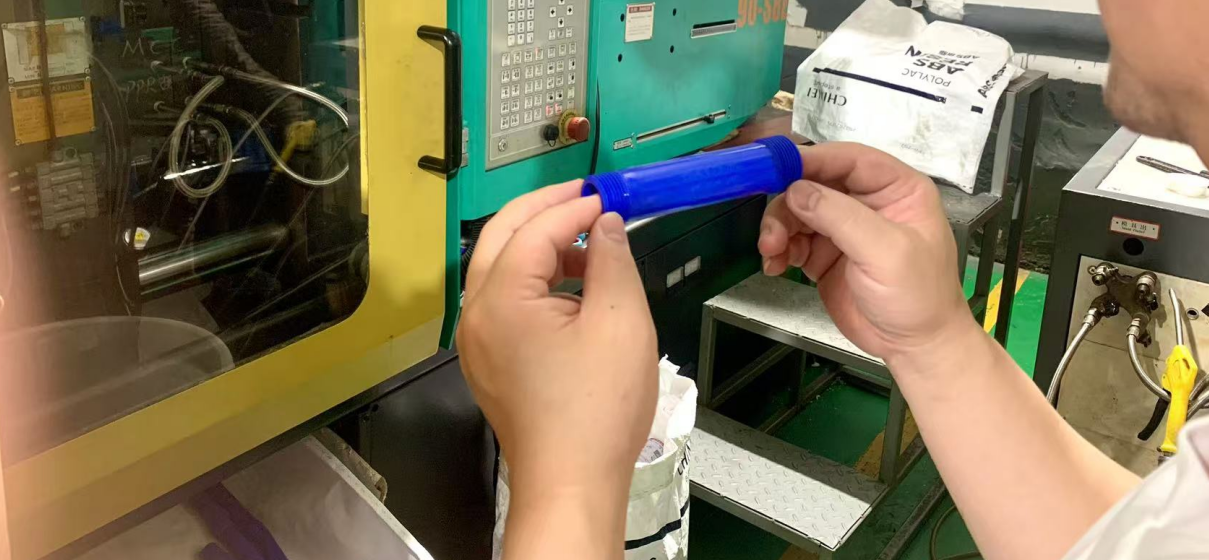
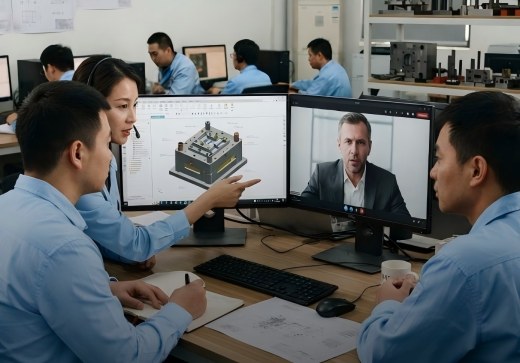
A mold quotation is useful when it identifies the decisions that affect filling, part quality and tool acceptance. KTM reviews the drawing, documents agreed changes, and checks trial results against your requirements. These six controls help your team evaluate the work before approving the next stage.
APPLICATION
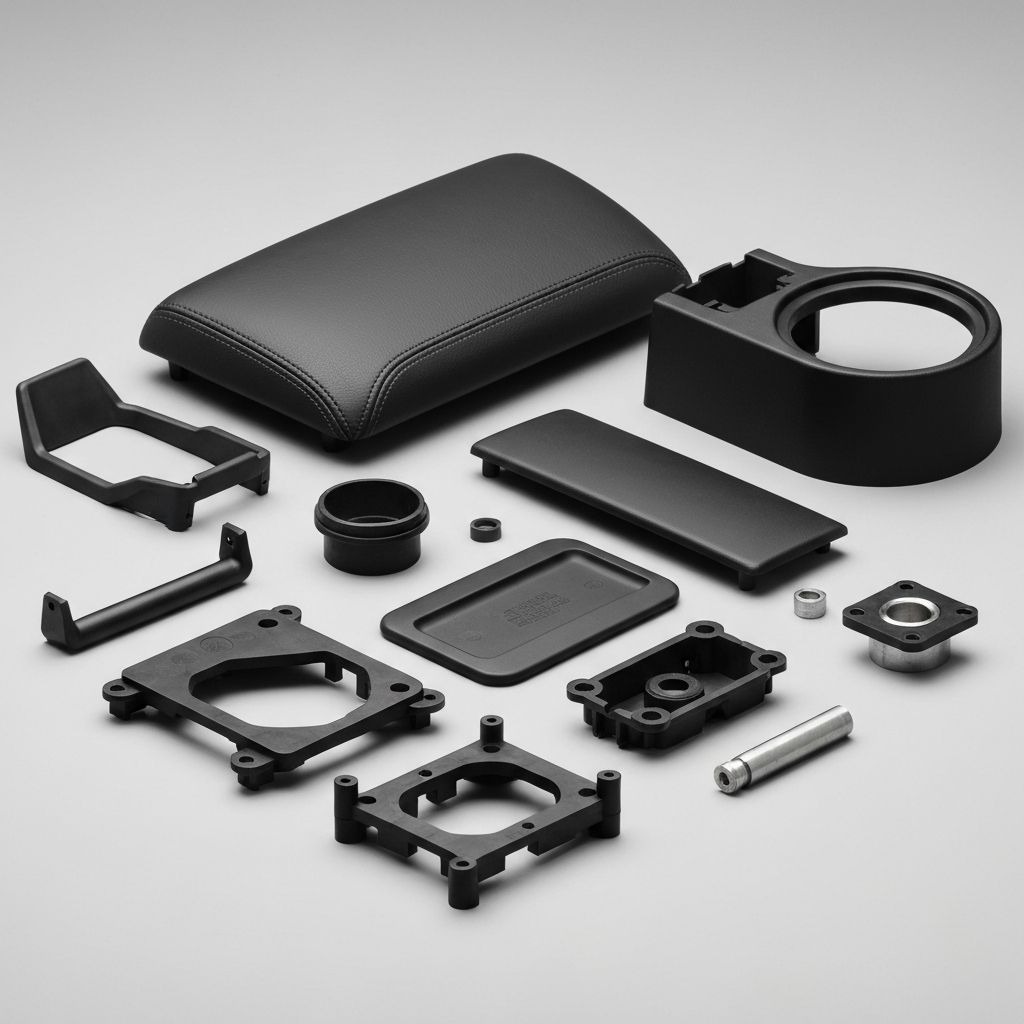
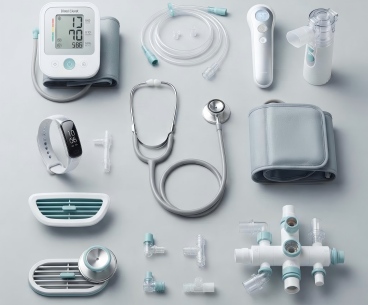
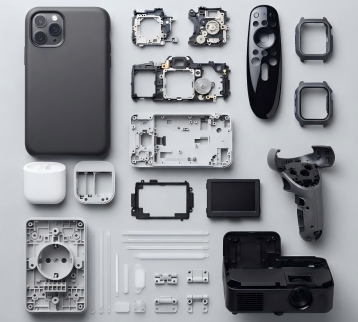
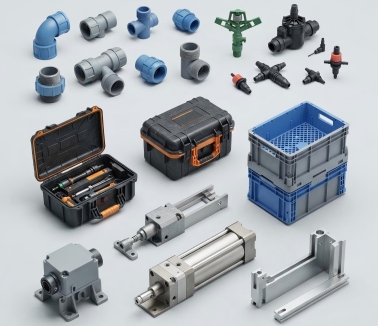
Injection Molds and Parts for Your Application
Review the tooling against the part’s actual use: assembly fit, temperature, loading, cosmetic finish and specified material grade. These application examples show the requirements we discuss at RFQ. Sector-specific testing, certifications and release criteria are agreed for the project rather than inferred from an industry name.

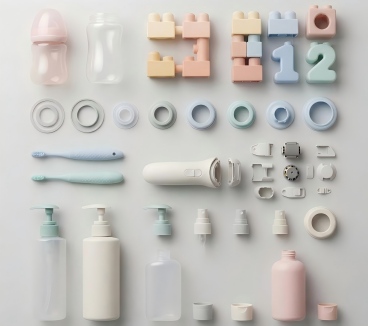
Our Featured Products
Featured Products: Tooling, Samples and Production
Fishing lures, cable ties and plastic reels bring different tooling priorities: fine surface detail, locking performance and structural stiffness. Review available designs or send a custom drawing. Sample availability, tooling ownership, quantities and product tests are confirmed for the selected specification before an order.


BLOGS & GUIDES
Injection Molding Knowledge for Your Tooling Specification
Use the drawing, resin and production conditions to specify a tool rather than choosing steel or finish from a generic chart. These topics help prepare your RFQ and design review. Discuss the actual part requirements with KTM before confirming the mold specification.


From Your RFQ to Approved Tooling and Parts
Choose export tooling for your plant or KTM-managed part production. The seven stages below identify what you provide, what KTM reviews and where your approval is needed. Tooling changes, acceptance criteria, handover records and maintenance responsibilities are agreed before release.
STEP 01
RFQ &
Project Requirements
Send 3D CAD, the current 2D drawing, resin grade, quantities and specified critical dimensions. Specify export tooling or KTM production; include your receiving press details, finish and target delivery dates so the quotation reflects the project.
STEP 02
Quotation &
Preliminary DFM
KTM reviews the supplied files and normally returns an itemized quotation and preliminary DFM within 24–72 hours of a complete RFQ. Complex tooling or missing specifications may require further discussion before price and timing are confirmed.
STEP 03
Detailed DFM &
Moldflow Review
After order confirmation, detailed DFM records gates, draft, parting lines, cooling, ejection and critical risks. Moldflow is included when agreed for complex parts. Proposed design changes are reviewed with your team before tooling decisions are finalized.
STEP 04
Mold Design Review
& Approval
Review the current 3D mold design, cavity layout, runner system, cooling, mechanisms and receiving-press interface requirements. KTM records the approved design revision before machining. Later changes are assessed for tool impact, cost and schedule before implementation.
STEP 05
Mold Manufacturing
& Progress Tracking
KTM machines the approved tool and shares weekly machining progress photos and status updates. Steel specifications, outsourced heat treatment and trial resin follow the project specification. The quotation defines the first-trial schedule and any critical dependencies.
STEP 06
Mold Trial, Sample Inspection
& Optimization
Review identified trial samples, molding parameters, video and the agreed dimensional report. KTM investigates appearance defects or out-of-tolerance critical features, records corrective work and checks repeat samples. Tool or production release follows your agreed acceptance criteria.
STEP 07
Mold Export or
Production Launch
Export tools are prepared with agreed samples, approved drawings, records and protective packing. For KTM-managed production, approve the resin, sample baseline and quality plan. Tool ownership, preventive maintenance, spares and repair coverage follow the project agreement.
Injection Mold Manufacturer FAQ
Answers to the tooling, production and approval questions to resolve before your order.
Which service should I choose: tooling, molding or prototyping?
Choose an export injection mold when you will run production at your plant. Choose KTM-managed molding when you need finished plastic parts. CNC machining and vacuum casting can help validate an evolving design before tooling investment. Send the drawing, material and quantities; the quotation should identify the selected route and any partner operations.
What should I send for a useful quotation?
Provide a 3D model, current 2D drawing, resin or metal grade, expected order quantities, critical dimensions and required finish. For export molds, include the receiving machine, mold standard and runner preferences if known. State your target dates and inspection needs. Put CAD files in a ZIP for the form, or discuss a suitable transfer method with the project team.
Can I request an NDA before sharing my design?
Yes. Request an NDA before sending confidential drawings. After the confidentiality arrangements are agreed, share the drawing revision, material and production requirements needed for review. A preliminary DFM flags feasibility and quotation risks; detailed mold design and any agreed Moldflow analysis follow the project stages and scope rather than being assumed at the first inquiry.
What is made in-house, and when do you use partners?
KTM performs mold manufacture, CNC machining and suitable injection molding work at its Dongguan facility with 40+ 90–400T presses. Larger molding projects are assessed for partner capacity up to 3,300T, subject to machine fit and availability. Die casting production uses partners. The quotation should identify the production route, responsibilities, inspection scope and any outsourced heat treatment.
Are there minimum quantities, and can I approve samples first?
Quantities are reviewed by service and product. CNC prototypes, mold trial samples and repeat molding orders have different programming, tooling and setup costs. Share both the first order and expected repeat demand so the quotation can compare suitable routes. Trial samples establish agreed dimensions, appearance and material before production release; featured-product sample availability is confirmed for the selected design.
Can you guarantee a tolerance or a fixed mold life?
Requirements are reviewed feature by feature against the drawing, resin, geometry, tooling and inspection method. A tooling tolerance such as ±0.005 mm does not automatically apply to every mold surface or molded part. Mold life depends on steel, heat treatment, resin wear, operating conditions and maintenance. Specify the critical dimensions, intended production duty and acceptance criteria in the tooling agreement.
How are price, lead time and design changes handled?
The quotation depends on geometry, cavity count, steel, runner and mechanism choices, finish, inspection requirements and delivery scope. KTM normally responds within 24–72 hours after a complete RFQ; tooling and production schedules are confirmed for the project. If the drawing or specification changes, agree the effect on tooling, price and dates before implementing the change.
Which trial and inspection records will I receive?
Agree the acceptance package before manufacture. It can include identified T0/T1 samples, molding parameters, trial video, results for critical dimensions, relevant material records and corrective-action evidence. CMM, FAI, ISIR or other customer-specific reports are supplied where specified. Simulation supports design decisions; actual samples and agreed measurements establish the basis for tool or production approval.
How do you prepare an export mold for my factory?
Share the receiving press specification and your mold standard before design approval. KTM reviews mold size, mounting, injection interface, cooling connections, runner controls and ejection requirements against that information. Trial samples, drawings, records, spares and protective packing are included as agreed. Confirm commissioning support and any local integration work in the handover scope.
Who owns the tooling, and what maintenance is included?
Tool ownership, storage, transfer arrangements, maintenance and repair coverage are defined in the project agreement. Clarify wear items, replacement inserts, spare components and responsibilities for molds operating at KTM or your plant. Expected service life and any warranty depend on the agreed operating and maintenance conditions; do not assume every repair is covered without charge.
GET IN TOUCH
Send Your CAD.
Review Tooling Risks Before You Commit.
Tell us whether you need an export mold, molded parts or machined prototypes. Send CAD, the current drawing, material, quantities and critical dimensions. KTM will review the production route, gate and cooling risks, inspection needs and quotation assumptions. A complete RFQ normally receives a preliminary DFM and quotation within 24–72 hours; complex projects may need additional clarification.
A Clear Quotation Scope
Tooling, trials, part quantities and delivery assumptions
Preliminary DFM Review
Flag draft, gate, wall and assembly risks before tool approval
Discuss Open Issues with Our Project Team
China time (UTC+8); email, WhatsApp or scheduled video callinquiry@ktm-mold.com
Prepare Drawings for Review
ZIP your STEP, IGES or X_T files with 2D drawings; PDF, JPG, PNG and DOCX are also accepted.
ISO 9001:2015